Elevate Your Style: The Complete Guide to Choosing Formal Shoes for Men
Selecting the perfect formal shoes is important for the modern man's wardrobe. Multiple styles, from Oxfords to monk straps, offer unique benefits. Premium materials and proper fit play vital roles in both appearance and comfort. Knowing how to pair shoes with outfits can enhance one's overall appearance. Yet, many people overlook the value of maintenance and investment. Considering these elements can turn an ordinary outfit into something extraordinary. Which aspects truly make a difference in a man's appearance?
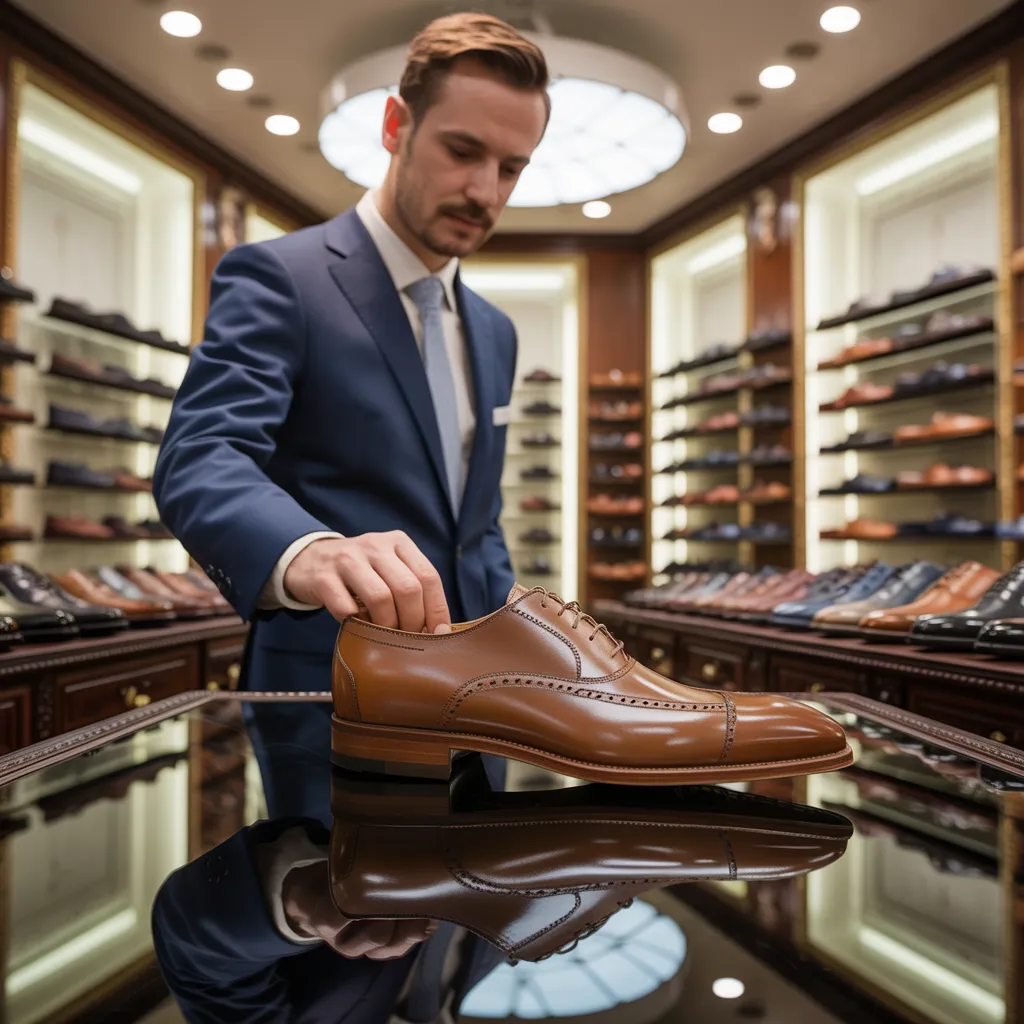
Exploring Various Formal Shoe Styles
Dress shoes act as a pillar of men's attire, reflecting both elegance and refinement. Various styles cater to different occasions and personal preferences. Oxfords are characterized by their closed lacing system, offering a sleek appearance ideal for business and formal events. By comparison, Derby footwear incorporates an open lacing style, offering a more casual yet refined appearance appropriate for semi-formal occasions. Loafers, celebrated for their easy slip-on nature, merge practicality with refinement, rendering them adaptable for both relaxed and formal environments.
Traditional brogues, characterized by ornamental perforations, can bring a stylish accent to any ensemble, while monk straps, utilizing a distinctive buckle in place of traditional laces, provide a compelling alternative. Every style carries its own distinct advantages, enabling men to showcase personal style while respecting dress requirements. Recognizing these distinct formal shoe categories proves vital for making well-considered decisions that elevate one's look and self-assurance.
How to Find the Perfect Fit for Your Formal Shoes
Finding the perfect size for formal shoes is essential for both style and comfort. This involves precisely determining your foot size, recognizing the significance of the width of the shoe, and trying on various options to guarantee a perfect fit. Considering these aspects can greatly upgrade the overall wearing experience.
Finding Your Foot Measurement
How can one guarantee the perfect fit when selecting formal shoes? The initial step requires accurately measuring foot size. This can be accomplished by standing on a piece of paper, tracing the outline of the foot, and calculating the full length from heel to toe. It is advisable to measure both feet, as they may vary a little in size. Using a ruler, one can determine the length in either inches or centimeters. Additionally, it is best to measure your feet in the evening, as they often become slightly larger by day's end. This guarantees a more comfortable fit when trying on formal shoes. Finally, referring to a size chart can help translate measurements into the right shoe size for different brands.
Shoe Width Explained
Shoe width plays a crucial role in ensuring a proper fit for formal shoes. Men's dress shoes are commonly offered in a range of widths, categorized using alphabetical designations such as A, B, C, D, E, and beyond. A narrow width is represented by letters closer to the beginning of the alphabet, while wider options extend toward the end. Selecting the appropriate width is critical, as it determines the degree of comfort and structural support. A shoe that is too narrow can cause pinching, while one that is too wide may lead to instability. When determining the ideal width, one should take into account their foot shape and personal needs, so that dress shoes deliver both aesthetic appeal and lasting comfort.
Trying Shoes On
When selecting formal shoes ensuring the right fit is paramount for both comfort and style. An ideal fit encompasses more than mere size; it necessitates focus on width and arch support. The wearer should start by trying on shoes at the end of the day when the feet have naturally expanded. This helps in evaluating true comfort. The heel should fit snugly without slipping, while the toes should have enough room to wiggle. It is advisable to maintain about one finger's width of clearance between the toes and the front of the shoe. Moreover, standing and walking in the shoes will reveal any discomfort or pressure points that could develop with prolonged use.
Core Attributes of High-Quality Formal Shoe Materials
Selecting high-quality materials is essential for securing durability and comfort in formal shoes. High-end leather, often characterized by its smooth texture and fine grain, is a popular selection due to its breathability and ability to mold to the foot over time. Full-grain leather is particularly favored for its strength and longevity, while suede offers a more relaxed, softer appearance.
In addition to leather, premium formal shoes frequently incorporate a durable sole, with options ranging from leather to rubber, delivering balance and traction. The manufacturing approach also carries great significance; Goodyear welted shoes, as an example, permit resoling, extending the shoe's lifespan. Furthermore, premium formal shoes frequently feature padded insoles, enhancing comfort during extended wear. Ultimately, selecting shoes made from these superior materials guarantees a refined look while focusing on practicality and wearability.
Coordinating Formal Shoes With Outfits
Formal footwear serves as a vital element of a refined ensemble, and their pairing can greatly influence overall style. When picking out formal footwear, one must consider the outfit's formality and color scheme. To illustrate this point, timeless black leather oxford shoes pair beautifully with well-fitted suits, delivering a refined and put-together aesthetic. Tan and brown leather footwear, in contrast, bring richness and adaptability to navy or charcoal suits, especially in business-casual settings.
With lighter shades, including beige or light gray, tan shoes are able to establish a pleasing equilibrium. One must also remember to match the shoe style with the occasion; brogues might suit a semi-formal event, while refined, minimalist options are best reserved for formal events. Items like belts and watch straps, should align with the shoe's material and tone, ensuring a cohesive appearance. At its core, selecting the ideal formal shoe and outfit pairing refines one's personal style and conveys self-assurance.
How Color Impacts Your Choices in Formal Shoes
Hue is essential in establishing the suitability of choices in formal shoes. Conventional hues such as oxblood, black, and brown act as cornerstones in a man's wardrobe, with each communicating unique impressions of style and professionalism. Black shoes, commonly recognized as formal, are perfectly suited to events such as weddings and business meetings, complementing effortlessly deep-toned suits. Brown-toned shoes, offered in a range of tones, provide flexibility, fitting for casual and semi-formal environments, often complementing lighter suits. Oxblood, a richer alternative, brings a sense of refinement whilst preserving an air of professionalism. Additionally, the choice of color can influence perceptions; darker shades often project authority, while lighter shades may imply greater approachability. Ultimately, recognizing the relationship between color, occasion, and clothing is crucial for arriving at well-considered choices about one's formal shoe wardrobe.
Practical Tips for Preserving the Shape of Your Formal Shoes
Maintaining the condition and durability of dress shoes involves a few straightforward methods. Building a steady care regimen, employing suitable storing practices, and conditioning leather uppers can significantly extend the durability of these shoes. By following these tips, one can be confident that their formal shoes remains in excellent condition.
Standard Cleaning Regimen
Maintaining formal shoes in perfect condition demands a regular cleaning regimen. Regular maintenance not only enhances their appearance but also extends their lifespan. As a first step, removing dirt and dust with a gentle brush or cloth after every wear is highly recommended. A damp cloth can help tackle stubborn stains. When it comes to leather shoes, using a premium leather conditioner every couple of months will preserve their flexibility and luster. Buffing with an appropriate polish improves the finish and safeguards the surface. It is equally important to clean the soles, since built-up dirt can reduce grip. In conclusion, letting shoes dry naturally following moisture exposure is essential; the use of direct heat sources must be avoided. This routine will keep formal shoes looking sharp and ready for any occasion.
Proper Storage Techniques
Proper storage techniques are essential for maintaining the form and condition of dress shoes. To preserve their structure, it is advisable to use shoe trees, which help absorb moisture and retain the shoe's structure. Placing shoes in a cool, dry location away from direct sunlight prevents fading and cracking. Furthermore, using dust bags or boxes can shield them from dust and environmental harm. Stacking shoes should be avoided, since this can result in deformation. Shielding the shoes from excessive moisture is important; the use of silica gel packets aids in moisture absorption. Ultimately, switching between pairs avoids overuse and encourages proper air circulation, guaranteeing the durability of every pair. Appropriate storage ultimately boosts both aesthetics and durability.
Caring for Leather Materials
Keeping formal shoes stored correctly builds the basis for their lasting quality, but conditioning the leather materials is equally important for maintaining their appearance and durability. Routine conditioning assists in keeping the leather soft and pliable, preventing it from drying out and cracking. With a premium leather conditioner, apply a modest quantity uniformly using a soft cloth, letting it penetrate for 15-30 minutes prior to polishing with a fresh cloth. This technique feeds the leather while simultaneously elevating its inherent sheen. Additionally, it is essential to avoid over-conditioning, as this can lead to a greasy finish. To achieve the best outcome, conditioning ought to be carried out every 3-6 months, or with increased regularity when exposed to extreme weather conditions.
Spending on Formal Shoes: Luxury vs. Budget
When evaluating dress shoes, the decision between luxury and economical alternatives can significantly influence both style and comfort. Premium dress shoes often feature remarkable construction, superior materials, and elegant designs. These selections usually deliver an improved fit and increased durability, making them a worthwhile investment for everyday wearers. The aesthetic appeal of reputable brands can additionally improve one's entire presentation, radiating a sense of sophistication and confidence.
Conversely, affordable formal shoes can be beneficial for cost-conscious shoppers or those who don't require daily formal attire. While these choices may fall short of the durability and elegance of their high-end counterparts, they can still provide adequate style and comfort for occasional use. Ultimately, the choice depends on personal considerations—whether one values the enduring quality and prestige of high-end shoes or prefers the accessibility and practicality of more budget-friendly options. Each tier has its merits, accommodating diverse preferences and lifestyles.
Tips for Shopping for Formal Shoes Online
How can someone ensure a positive experience when shopping online for formal footwear? First, it is important to know one's size, as sizing can vary by brand. Checking the particular brand's sizing chart can assist in finding the right fit. Second, checking customer feedback provides valuable information about quality and comfort, which are critical for formal footwear.
Next, analyzing detailed product descriptions and high-resolution images can reveal materials and craftsmanship. Furthermore, checking the return policy is essential; reliable retailers generally make returns simple in case the purchased shoes do not satisfy your requirements.
In addition, leveraging sales events or discount codes can make high-quality shoes more affordable. Lastly, taking the shoe's versatility into account ensures compatibility with a range of outfits, enhancing its overall usefulness. By keeping these suggestions in mind, individuals see the full story can significantly improve their odds of a rewarding online formal shoe shopping experience.
Answers to Your Most Common Questions
What Are the Best Brands for Formal Shoes?
Among the best formal shoe brands are Allen Edmonds, Church's, and Cole Haan, celebrated for their quality and elegance. Additional respected brands include Clarks, Hugo Boss, and Johnston & Murphy, offering a range of elegant options.
When Should I Replace My Formal Shoes?
Formal footwear should ideally be replaced every 6 to 12 months, depending on wear and usage. Routine checks for indicators of damage or discomfort can assist in identifying the right time for a replacement to maintain overall appearance and comfort.
Are Formal Shoes Appropriate With Casual Attire?
Indeed, formal shoes can be worn with casual attire. When styled thoughtfully, they can upgrade an informal outfit, merging refinement with relaxation. That said, striking the right balance is important to prevent aesthetic clashes in the complete outfit.
Are There Specific Care Tips for Leather vs. Suede?
Leather demands regular polishing and conditioning to keep its shine and flexibility intact, while suede thrives with careful brushing and periodic applications of moisture-resistant sprays to avoid stains and maintain its texture. Appropriate maintenance ensures durability for both materials.
How Can I Find My Shoe Size Across Different Brands?
To identify an accurate shoe size between different manufacturers, a person should obtain foot length and width measurements, check brand-specific size charts, and consider physically trying shoes on, as sizing may vary greatly between brands.